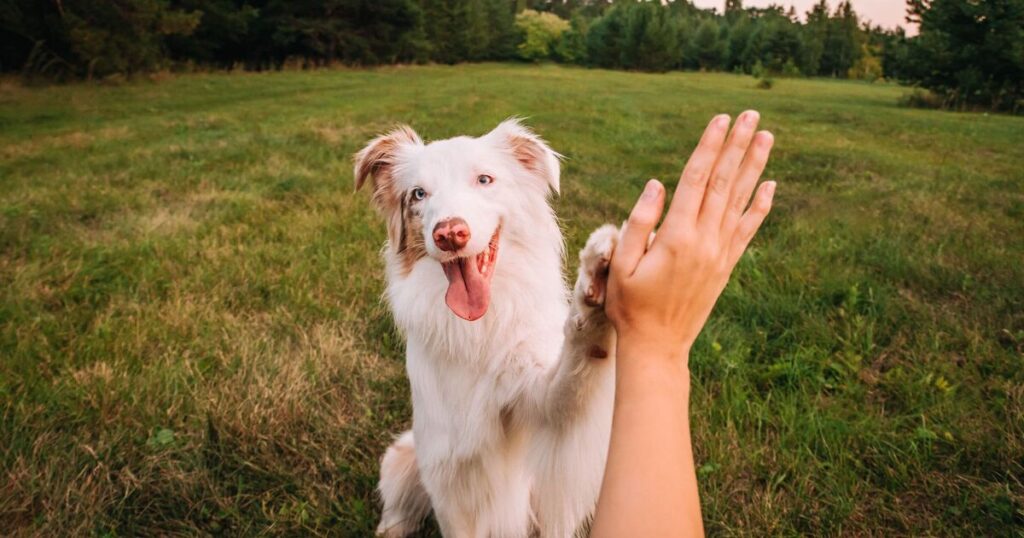
With temperatures dropping and Christmas just 20 days away, many dog owners may be taking their pets on longer walks and enjoying festive family outings after a hearty holiday meal. However, experts warn that winter brings hidden health risks that are often underestimated. Most pet owners don’t realise that temperatures below 7C are too cold for cats to safely be outside, and most dog breeds face health risks at 5C or lower, according to Pet Drugs Online, a trusted UK provider of pet food and veterinary medication for over 20 years.
With over half of UK adults owning a pet (51%), Dr Sarah Page-Jones, head veterinary surgeon at Pet Drugs Online, has shared five essential tips to help pet owners keep their furry friends safe this winter.
1. Adjust their diet
Winter can increase a pet’s energy needs.
Dr Page-Jones said: “Some pets, especially those that are active or living in colder conditions, may need more food during the winter. Their bodies burn through energy faster as they grow thick winter coats, regulate their internal body temperature, and build fat reserves to help manage the cold. To support this increased demand, consider energy-dense foods that are safe for dogs and cats, including bone broths, oily fish and broccoli.”
2. Keep them warm and dry
Wet fur can lead to bacterial infections or matting, particularly in long-haired breeds. Dry pets thoroughly after walks, avoid excessive bathing, and consider dog coats for short-haired breeds or those from warmer climates.
Dr Page-Jones said: “To keep them warm and dry, make sure to dry off your pet when they come inside – a quick rub down with a towel will reduce the time it takes for your pet to fully dry. Also, try to minimise the number of baths you give dogs, so they don’t spend too much time wet, increasing their chance of growing cold.
“For dogs with short fur, no double coats, and breeds that originate from countries with warmer climates, dog coats are an essential accessory for coping with cold snaps and British winters.”
3. Practice winter paw care
Salt, ice, and de-icing chemicals can damage paws. Clean and dry them after walks, check for redness or cracking, and apply a pet-safe moisturising balm to soothe and protect the skin.
4. Watch out for antifreeze
Antifreeze, often used in vehicles and water features, contains toxic chemicals that can attract pets.
Dr Page-Jones warns: “While most anti-freeze is water-based, it does contain chemicals, such as ethylene glycol and methanol, which are toxic to both humans and pets. Despite its toxicity, anti-freeze has a sweet taste which is attractive to pets.
“The best way to limit the risk of antifreeze poisoning is to use pet-safe antifreeze and to stop your dog from drinking out of puddles. In the winter, anti-freeze is often used in water features in private and public spaces, so avoid letting your pets drink from them.
“Early symptoms of antifreeze poisoning appear between 30 minutes to 12 hours after ingestion, these include vomiting, tiredness, and unsteady movements. If you think your dog is experiencing antifreeze poisoning, it is vital to take them to an emergency vet.”
5. Look out for their joints
Cold, wet weather can exacerbate joint pain, especially in older pets. Signs include difficulty climbing stairs or reduced activity. Supplements containing Glucosamine and Chondroitin Sulphate can help support joint health and ease movement.
The expert added: “Particularly for older pets, the wet and cold weather can play havoc on their joints. You may notice your dog has difficulty climbing the stairs or getting on the sofa, or your cat may be less active and spend more time inside or asleep.
“The best way to manage winter joint problems for pets is to introduce a joint care supplement with proven joint-supporting ingredients like Glucosamine and Chondroitin Sulphate – both support cartilage health and ease movement.”