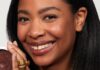

A doctor has confessed to the somewhat ironic behaviour of some NHS staff following their advice to patients on healthy eating. Dr Bhasha Mukherjee, a GP who held the title of Miss England from 2019 to 2021, made her admission via Instagram.
The doctor posted a video from her staff room, where a tray of cupcakes was visible on the table. She then sat down and began tucking in.
“There’s a very specific NHS ritual where you finish a heartfelt speech about balanced diets, blood sugar, and ‘everything in moderation’… then immediately sprint to the staff room to inhale a Celebrations tin like it’s trauma-informed care,” Dr Mukherjee captioned the post.
She continued by highlighting the “great dichotomy of healthcare” where doctors “preach” fibre and protein in clinic, yet “survive” on biscuits, cake, and any other sugar-laden morale boosters brought in.
Dr Mukherjee noted: “We promote health – we just don’t always have time to practise it between back-to-back appointments and emotional labour. Do as we say, not as we snack.”
She also offered an insight into what goes on inside her head whilst she is “masking” in front of her patients, meanwhile.
“On the outside: calm, attentive, warm, reassuring GP energy,” she described. “On the inside: running through a mental script, monitoring eye contact, remembering to nod, timing facial expressions, translating thoughts into acceptable sentences, and hoping no one notices how loud the lights are.”
Masking isn’t deceptive, though, she emphasised. “It’s performing safety, professionalism, and likeability all at once,” Dr Mukherjee said. “Most patients never see it, but by the end of the day the exhaustion is real. Still showing up, still caring, just quietly burning a lot of cognitive fuel to do it.”
Joking aside, the NHS warns that eating too much sugar can make you gain weight and can also cause tooth decay.
The type of sugars most adults and children in the UK eat too much of are “free sugars”.
- Any sugars added to food or drinks. These include sugars in biscuits, chocolate, flavoured yoghurts, breakfast cereals and fizzy drinks. These sugars may be added at home, or by a chef or other food manufacturer.
- Sugars in honey, syrups (such as maple, agave and golden), nectars (such as blossom), and unsweetened fruit juices, vegetable juices and smoothies. The sugars in these foods occur naturally but still count as free sugars.
The advice continues: “Sugar found naturally in milk, fruit and vegetables does not count as free sugars. We do not need to cut down on these sugars, but remember that they are included in the “total sugar” figure found on food labels.”