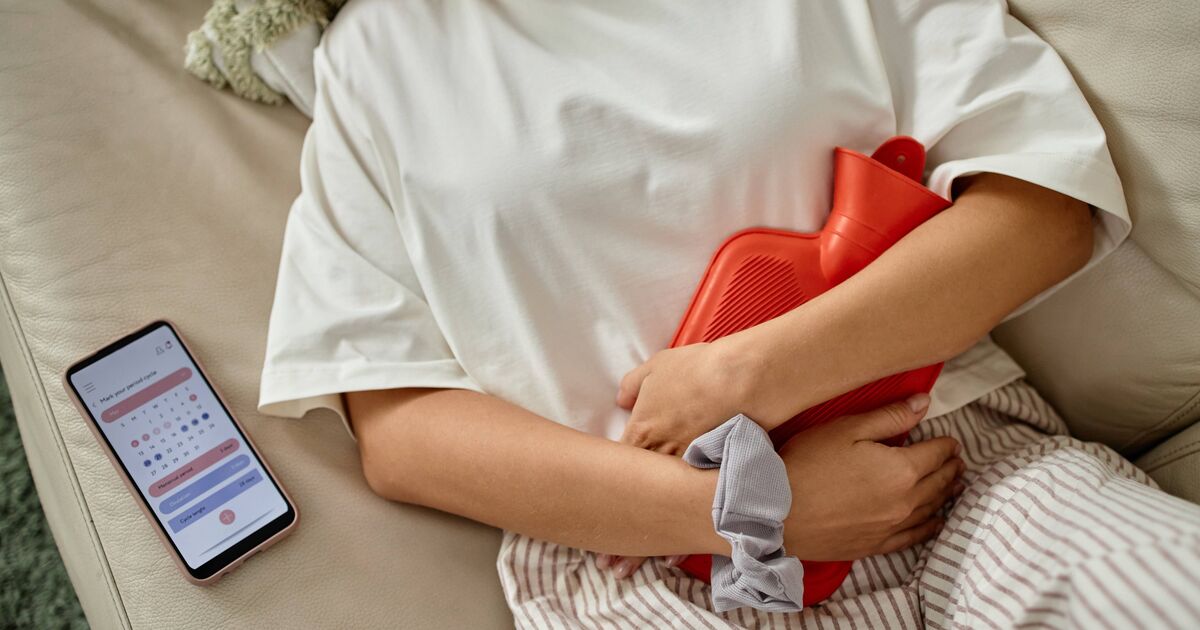

With Britain enduring a bitterly cold spell, countless households are turning to hot water bottles to stay warm both day and night. While they’re an economical and efficient way to ward off the chill, figures from RoSPA reveal that in 2024 alone, almost 1,000 people were treated in burns units across England and Wales following hot water bottle-related incidents.
Dr Richard Anderson, head of learning and development at High Speed Training, said: “Hot water bottles are a fantastic way to beat the chill, and with energy costs remaining a concern, they are more popular than ever. However, like any household item that utilises high heat, they aren’t without risk.”
Check the age of your hot water bottle
It is advised to replace hot water bottles every two years, as the rubber material degrades with time, increasing the likelihood of splits or leaks. To determine your bottle’s manufacturing date, look for a flower-shaped marking, called the ‘daisy wheel,’ stamped on the neck or body of the bottle.
The figure in the middle indicates the manufacturing year, whilst the 12 segments around it correspond to the calendar months. The segments containing dots reveal the specific month your bottle was produced.
For instance, if the symbol displays a 25 at its centre with dots appearing in the initial six segments, the bottle was produced in June 2025. When segments contain multiple dots, the quantity of dots in the last (or sole) filled section indicates which week of that particular month the bottle was manufactured. Therefore, three dots signify the third week of the month.
How to fill and use your hot water bottle safely
Dr Anderson continued: “Before filling up, check the bottle for any noticeable damage or wear and tear. Avoid filling the bottle with boiling water. This can damage the internal seams, so it’s best to leave it to cool before filling up. It’s also advisable to only fill the bottle about two-thirds of the way full, before expelling any remaining air and ensuring the stopper is tightened securely.
“Always use some type of cover on a hot water bottle, which helps to avoid contact burns on the skin, and avoid sitting or lying on them, as this can increase the risk of the bottle failing. When not in use, drain the bottle and store with the stopper removed in a cool, dry place like a cupboard.”