Confusion around parking rules recently surfaced on Reddit, where one frustrated driver wrote:
“I’ve seen so many people parking like a***holes, and so many people stopping and parking in disabled bays while able-bodied and without a Blue Badge.
“I’ve seen people pulling onto the pavement over double yellows. I’ve seen people parking on pavement islands in the middle of the road. Do they really get away with it that easily?”
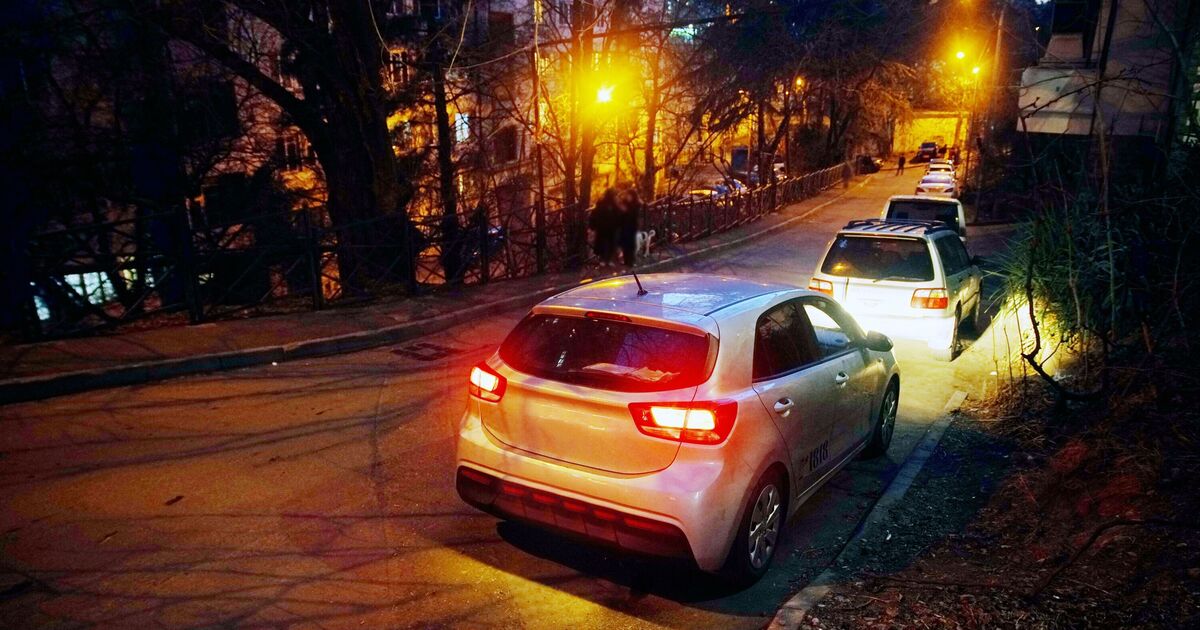
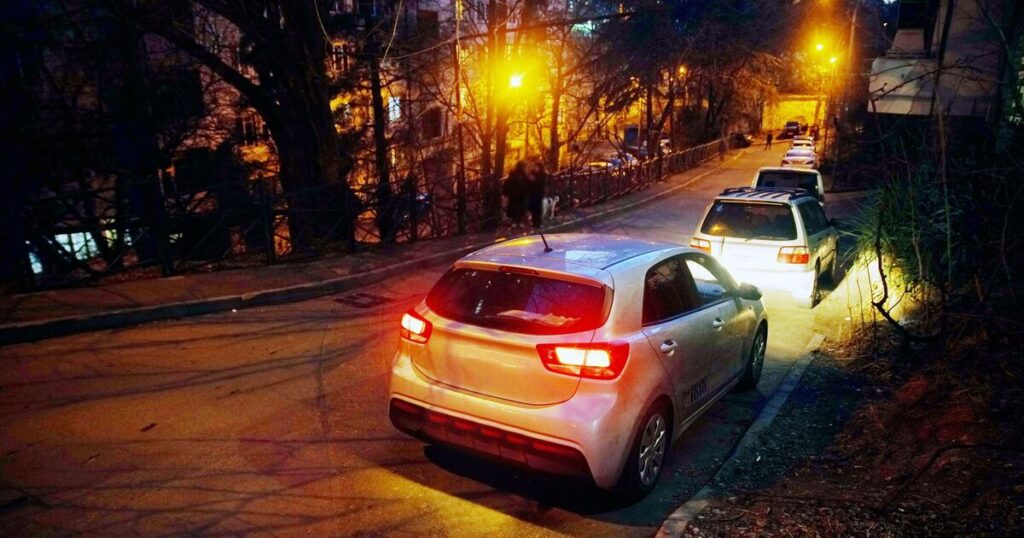
According to Rule 248 of the Highway Code, drivers must not park on a road at night facing against the direction of traffic flow unless they are in a recognised parking space.
Breaking this rule can result in a fine of up to £1,000 for cars, and up to £2,500 for goods vehicles or minibuses. Both the police and local councils have the authority to issue these penalties.
Drivers could also face insurance complications. If you are involved in an accident while parked illegally, you may be unable to claim for damages.
Insurance expert Alicia Hempsted told MoneySuperMarket: “While this rule applies all year round, it’s especially important after the clocks go back.
“Darker evenings and poor weather can make it harder for other drivers to see your vehicle. Parking in the same direction as traffic improves visibility and helps keep everyone safer on the roads.
“It also makes it easier and quicker to exit your parking space, reducing traffic obstruction and the risk of an accident with a distracted driver.”
The difference between parking and stopping in the UK
Driving instructor John explained the key differences between parking and stopping under UK law — and how long drivers are allowed to unload passengers or goods before it becomes an issue.
“Parking is defined as when a vehicle is stationary, with or without the driver, for at least three minutes.
“However, if you stop for more than three minutes to drop off or pick up passengers, or to load or unload goods, you are no longer considered to be parking as defined by the Road Traffic Act.”
Stopping
“Stopping refers to a stationary vehicle, with or without the driver, for up to three minutes.
“Stopping due to congested traffic does not count as ‘stopping’ within the meaning of the Road Traffic Act.”